Heron Movements
Telemetry data provides valuable information on where birds are foraging and offers deeper insight on microhabitat selection that will be used in the island prioritization tool to predict probability of habitat availability at each colony island. These data will produce a bioenergetic-based model that incorporates telemetry data to establish the carrying capacity of each focal species based on the available energy in the foraging habitat.
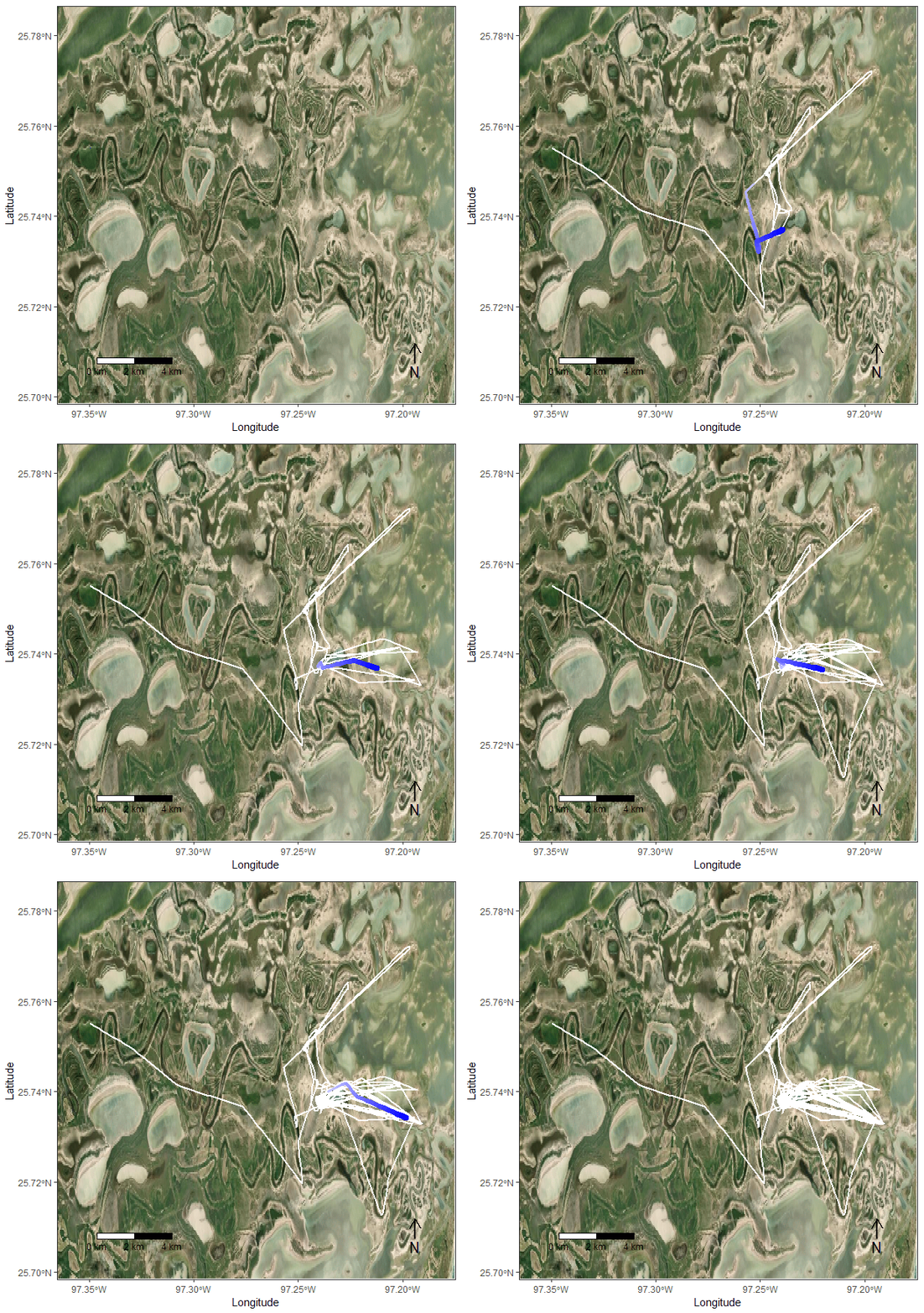
These animations represent movements of three species of heron captured and fitted with GPS-GSM backpack transmitters, which transmit data location over cellular networks that can be downloaded from the cloud. The movements displayed on this page represent three different movement types - foraging during the breeding season, long-distance migrations, and foraging movements at stopover sites during migration.
Breeding Season Movements
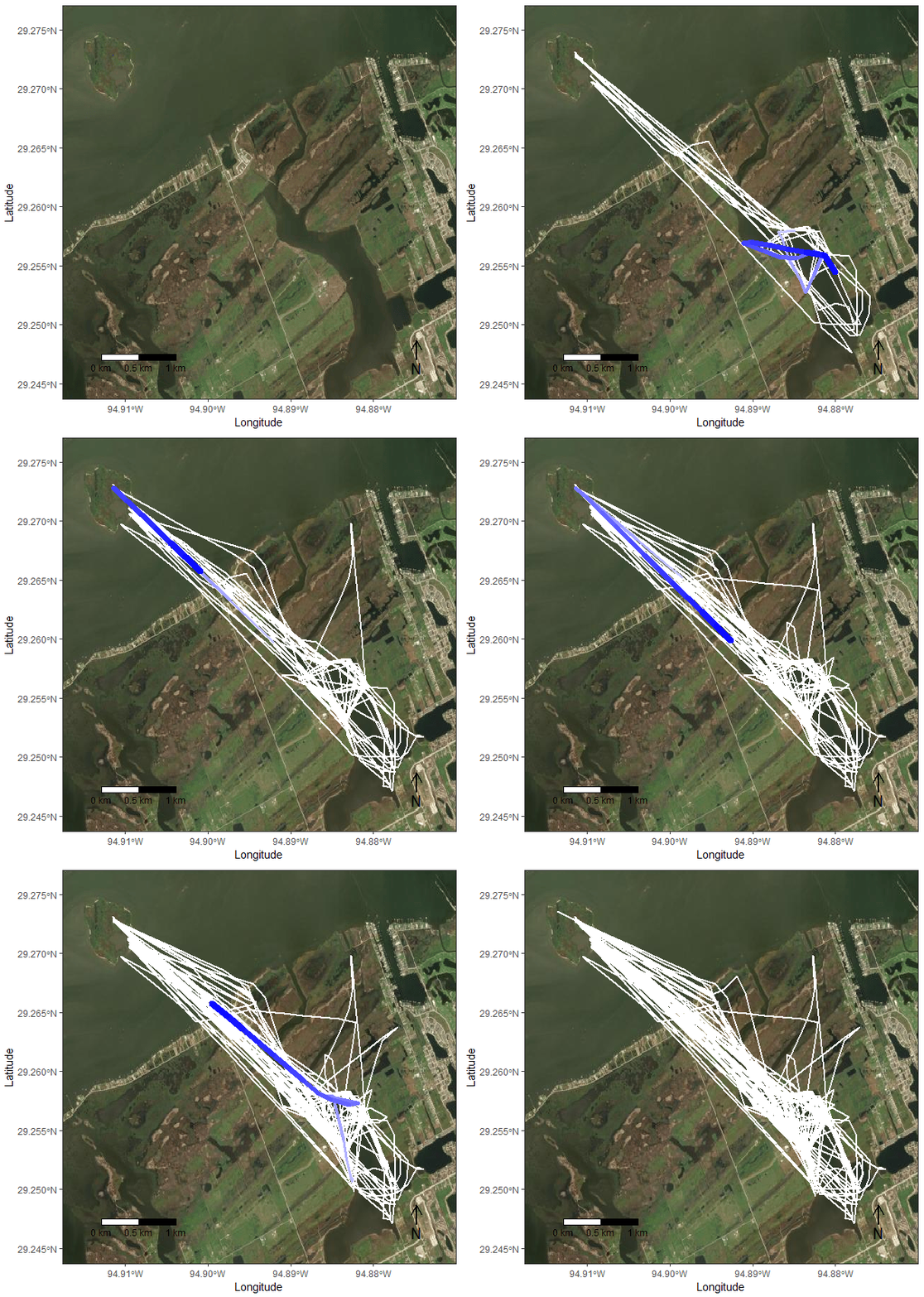
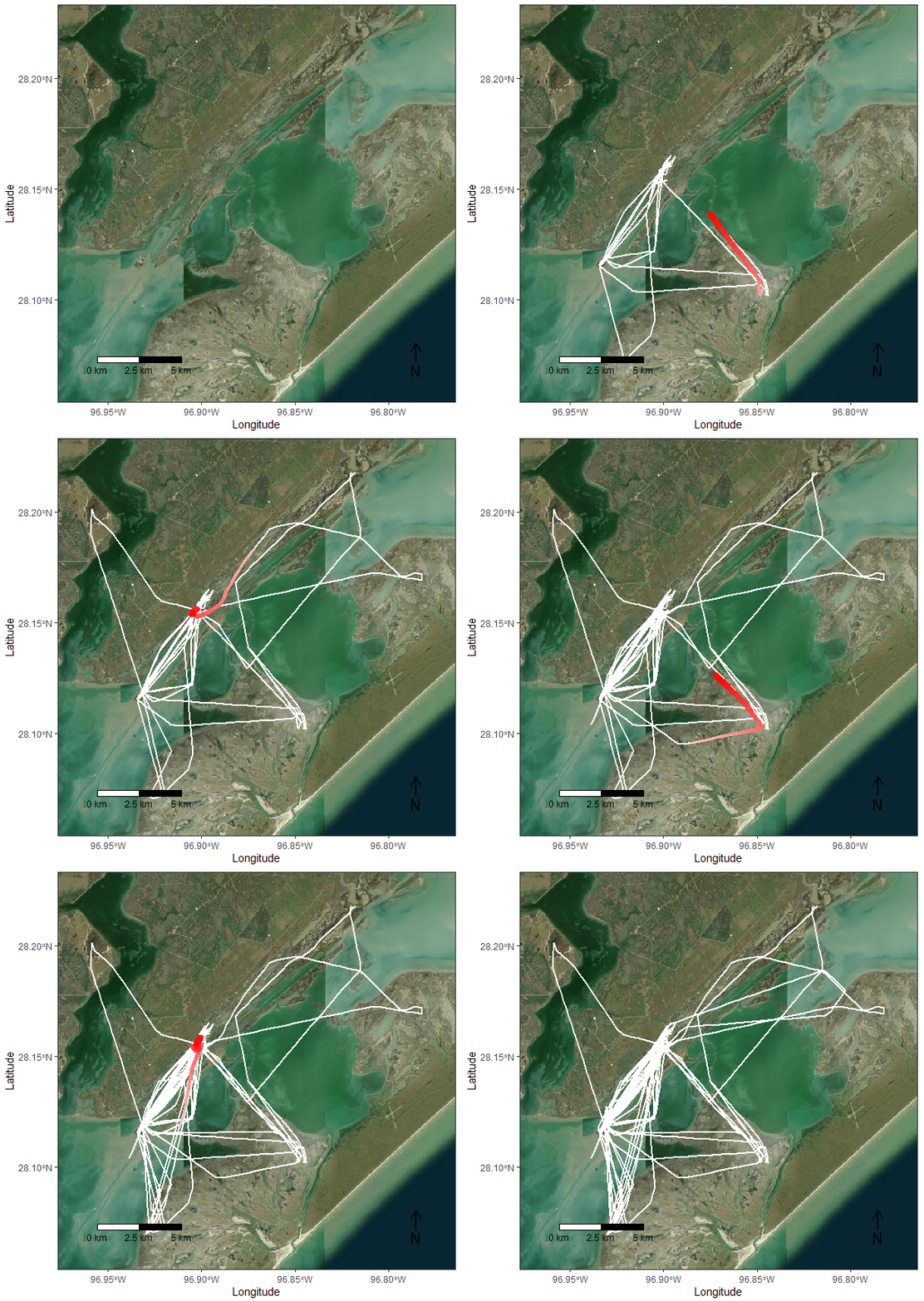
During the breeding season, Texas’ colonial waterbirds use foraging areas adjacent to their nesting colony. Great Egrets and Tricolored Herons exhibit high fidelity to foraging areas despite sometimes traveling long distances (up to 10 km) to reach areas with fresh or brackish water. Conversely, Reddish Egrets forage closer to the nesting colony and rely on unvegetated tidal flats on the edges of bays and spoil areas.
Tricolored Heron
Breeding colony at top left
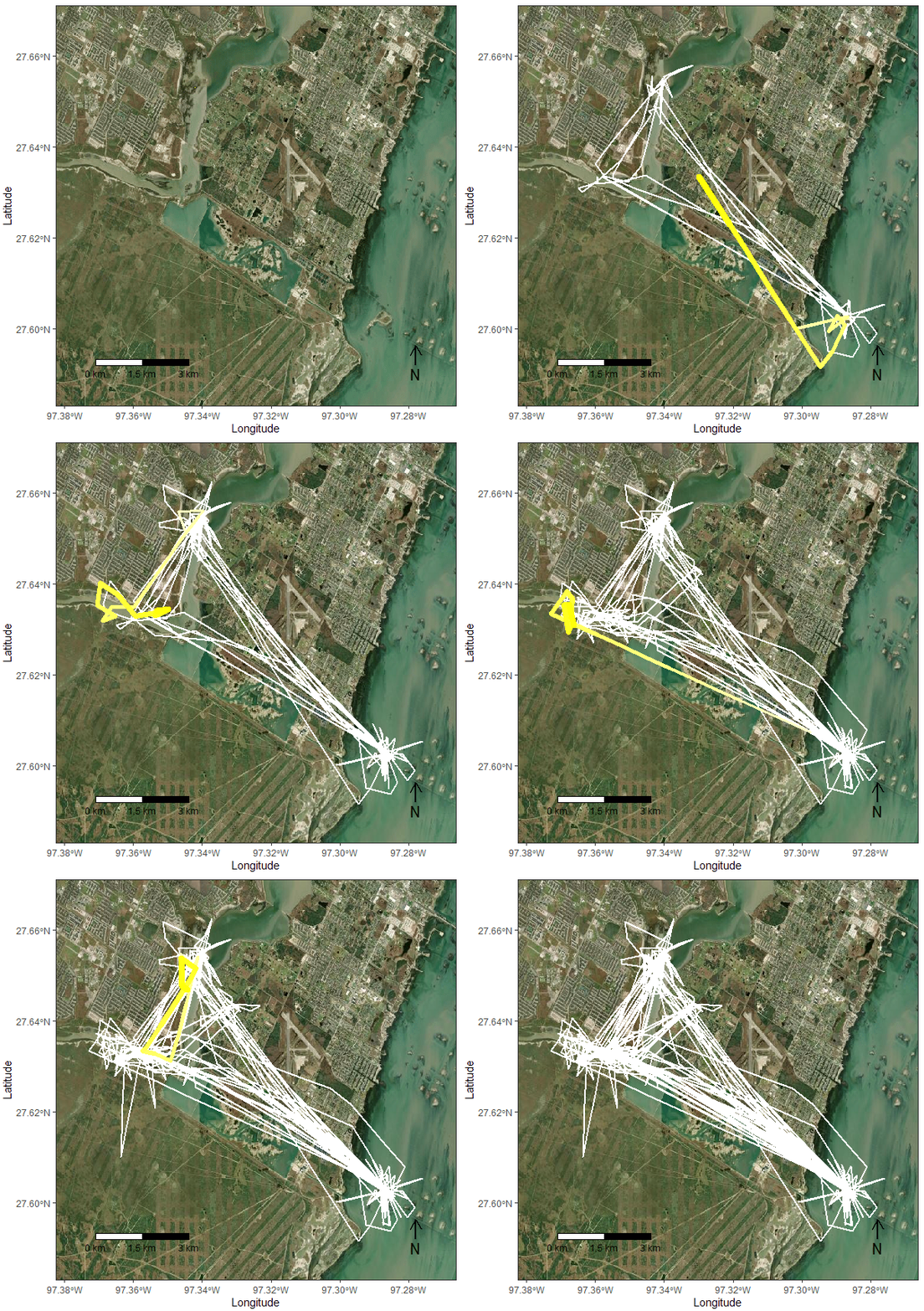
Great Egret
Breeding colony at bottom right
Reddish Egret
Breeding colony at center
Migratory Movements
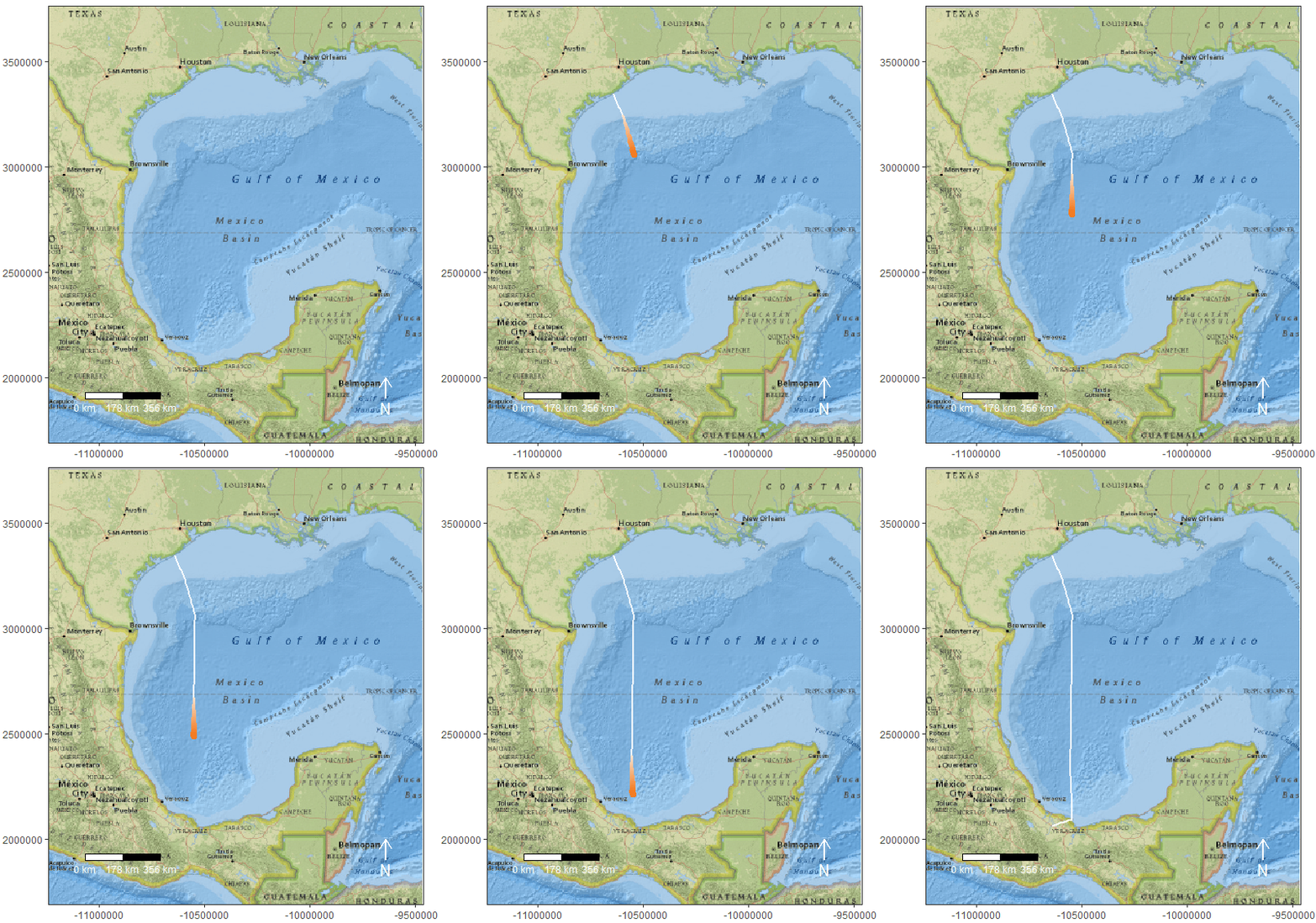
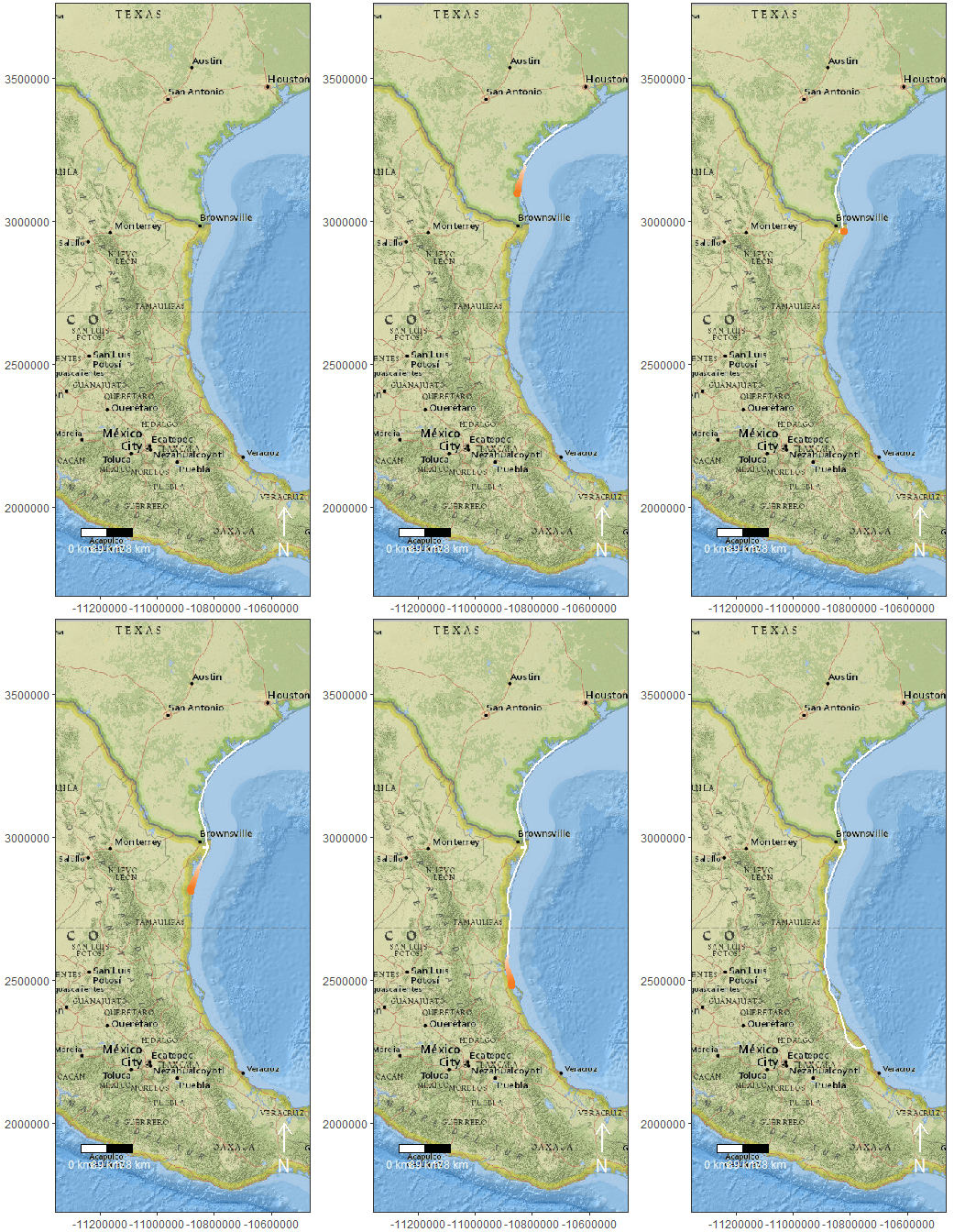
Many of Texas’ colonial waterbirds migrate south to Mexico and Central America between breeding seasons. Those that migrate, including Great Egrets and Tricolored Herons, use a mixture of strategies to reach their wintering areas. Some birds take a slower approach and use up to 5 stopover locations to rest and refuel while other birds take a more direct approach, traversing the Gulf in only several hours. The below animations display two migratory strategies taken by two individual Tricolored Herons in the fall.
Within Stopover Movements
For migratory birds, stopovers present an important resource for resting and refueling during migration. Some areas that seem to be especially important during this period are the Laguna Madre land cut, Boca Chica, TX, Tampico, MX, and Veracruz, MX. While using a stopover, birds use a “central place forager” strategy, roosting in one consistent location and foraging in another. Birds remain on stopovers for up to 37 days.
Great Egret
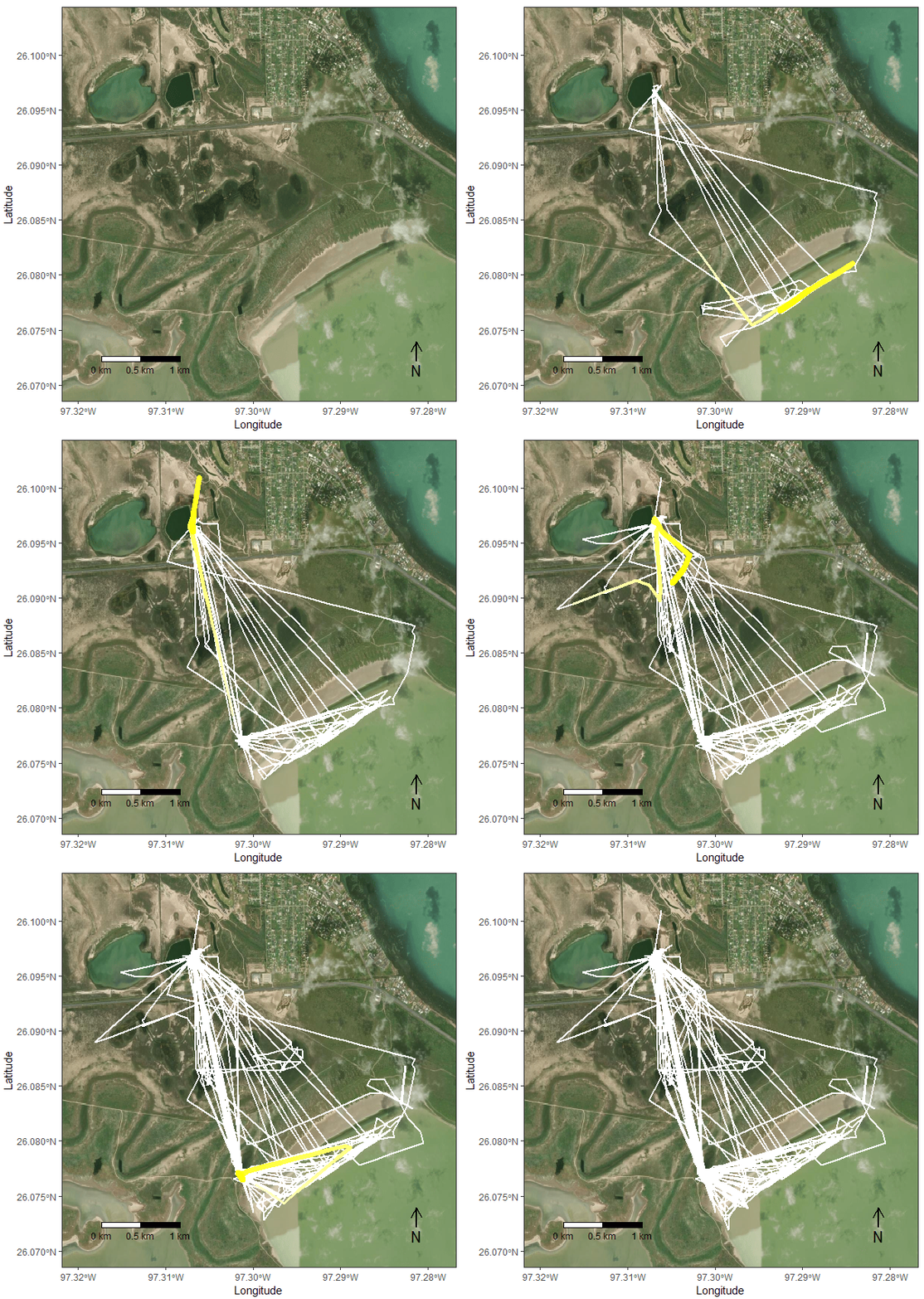
Tricolored Heron